
- Apr 23, 2025
Finding Your True North: Leadership Coaching for Educational Leaders
- Jen Hanson-Peterson
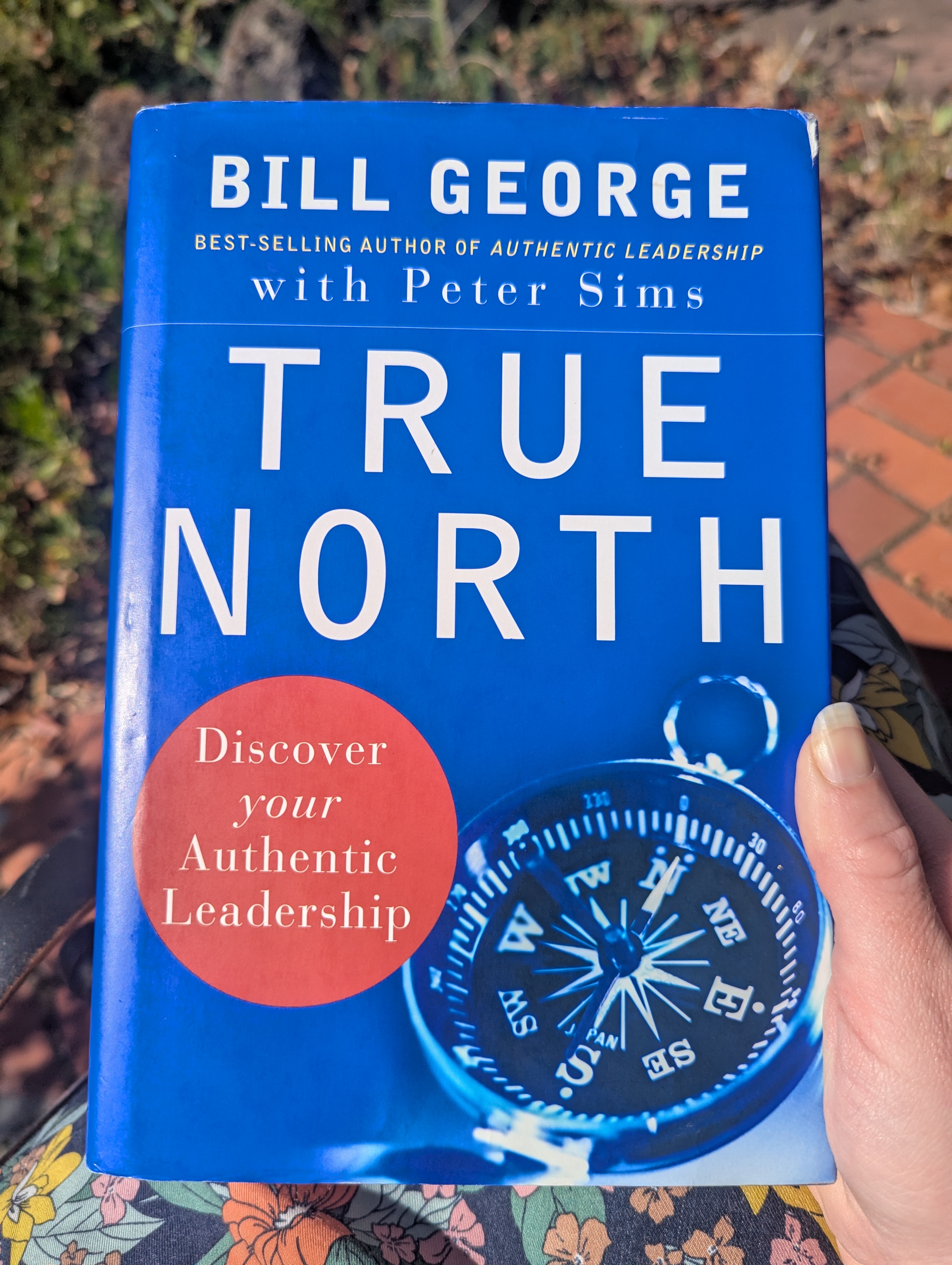
Today is the first day back to school for Term 2, and like many parents, I've found myself with a moment of quiet to pick up a book that's been waiting patiently on my shelf to be revisited. Bill George's 'True North', published in 2007, offers timeless wisdom that feels especially poignant for today's educational leaders navigating profound challenges across early learning centres, primary, middle, and senior schools.
Leadership Under Pressure
Recent research from Australian Catholic University paints a sobering picture: more than half of school leaders are seriously considering leaving their roles. With 55% facing threats of violence, predominantly from parents, with rising rates of anxiety that speak to a systemic crisis far beyond individual resilience.
These are not mere statistics, but lived experiences of dedicated professionals who have committed their lives to nurturing and supporting our young people. Behind each number is a human story of passion, dedication, and increasingly unsustainable professional demands.
The Timeless Nature of Authentic Leadership
What strikes me most about George's work is how the fundamental principles of authentic leadership remain unchanged despite our evolving workplace dynamics. At its core, authentic leadership isn't about adopting the latest management trend or mastering a particular leadership style. Rather, it's about understanding yourself deeply and leading from that place of self-awareness and genuine purpose.
As George eloquently describes, authentic leaders are 'genuine people who are true to themselves and to what they believe in. They engender trust and develop genuine connections with others.' For educational leaders, this authenticity becomes a lifeline—a way to navigate complex relationships with staff, students, and parents, whilst maintaining personal integrity.
The Five Dimensions of Authentic Leadership
When working with purpose-driven leaders, I often return to George's five foundational dimensions of authentic leadership:
Pursuing purpose with passion - Understanding not just the 'what' of your role, but the profound 'why' that called you to educational leadership. Reconnecting with the mission that first ignited your commitment.
Practising solid values - Leading from a clear ethical foundation that guides decision-making, particularly during conflict or challenge
Leading with heart - Bringing emotional intelligence and genuine care to challenging conversations with parents, staff, and students—recognising that empathy is a strength, not a weakness
Establishing enduring relationships - Building connections grounded in trust, mutual respect, and a shared commitment to educational excellence and wellbeing
Demonstrating self-discipline - Maintaining consistency between stated values and actions, particularly when facing immense professional pressures
Beyond Individual Resilience: A Collective Approach
These dimensions aren't about perfection—far from it. It's about creating a compassionate framework for leadership. Every educational leader carries wounds and 'failures'. Every educational leader has weaknesses and makes mistakes. By acknowledging these limitations openly, we create psychological safety that empowers staff to bring their own authentic selves, strengths, and growth mindsets to their work with students.
Self-Awareness: The Centre of Your Leadership Compass
George places self-awareness at the centre of the leader's internal compass—and for good reason. Without understanding our unique patterns, motivations, and blind spots, we risk leading from a place of reactivity rather than conscious choice.
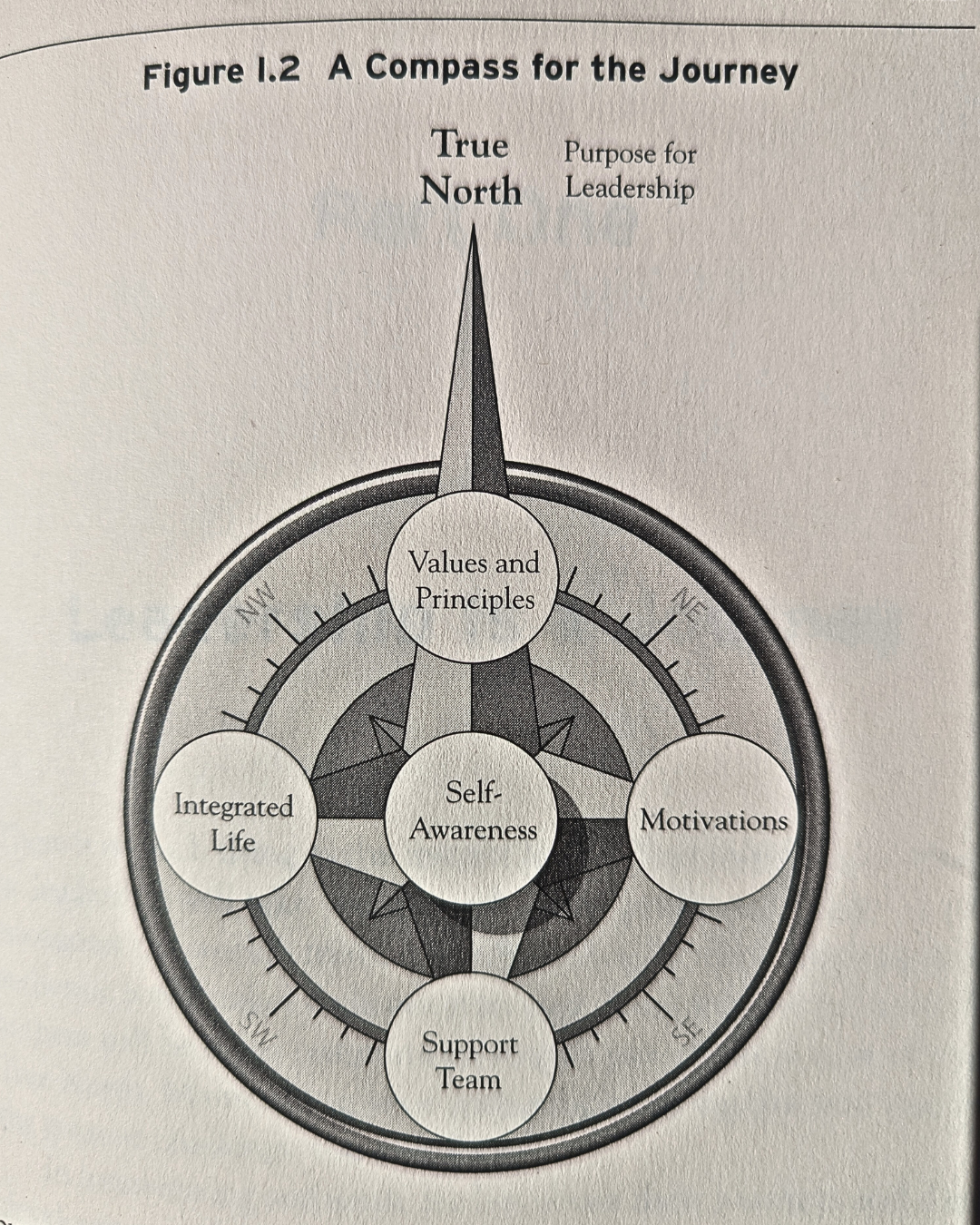
In my coaching practice, I've witnessed how transformative this deeper self-understanding can be. When educational leaders gain clarity about their patterns through frameworks like the Enneagram, they develop:
Greater authenticity in communication, particularly during difficult conversations with parents and staff
Enhanced ability to build psychological safety for their teams
More conscious choices about how they respond to crises or conflicts
Clearer boundaries that allow them to sustain their purpose over time
Collective Empowerment in Educational Spaces
The true power of authentic leadership lies not in individual heroism, but in bringing people together around a collective mission. As George writes, 'The authentic leader brings people together around a shared purpose and empowers them to step up and lead authentically in order to create value for all stakeholders.'
In educational contexts, this means leadership teams bringing together educators, department heads, and wellbeing coordinators around the shared purpose of students' social-emotional development and learning. What distinguishes truly effective educational leadership is the commitment to helping others discover their own leadership compass. It's about creating environments where:
Individual strengths are celebrated and integrated
Different perspectives become assets rather than sources of friction
Staff members feel empowered to lead authentically in their classrooms and departments
The collective wisdom of the educational community emerges to better serve students
This is where my work becomes most meaningful—helping each member of an educational leadership team understand themselves through frameworks like the Enneagram, then bringing these insights together to transform team dynamics and enhance collective impact.
Your Leadership Journey
Every leader's path is unique, shaped by their personal story, values, and the challenges they've faced. In today's high-pressure educational environment, having a clear internal compass is not a luxury—it's a necessity for sustainable professional practice.
If you're an educational leader seeking to lead with greater authenticity, consider:
What lies at the centre of your leadership compass? How well do you understand your professional patterns, motivations, and blind spots?
Are your values and principles clearly defined? Do your actions consistently reflect them?
How effectively do you build genuine connections with your staff, students, and parent community?
In what ways are you empowering educators and middle leaders to develop their own authentic leadership?
Leadership Coaching for Your True North
Supporting educational leaders in discovering and following their True North is at the heart of my coaching practice. Through evidence-based assessments, reflective exercises, and structured development pathways, I help leadership professionals build the self-awareness and relational skills needed to lead authentically.
Whether you're navigating a leadership transition, seeking to build more cohesive teams, or simply wanting to lead with greater alignment between your values and daily actions, coaching can provide the structured support to help you stay true to yourself while confronting the complexities of modern educational leadership.
As Bill George reminds us, leadership development is a personal responsibility. Yet having the right support can illuminate your path towards your True North.
Interested in exploring how leadership coaching could support your authentic leadership journey?